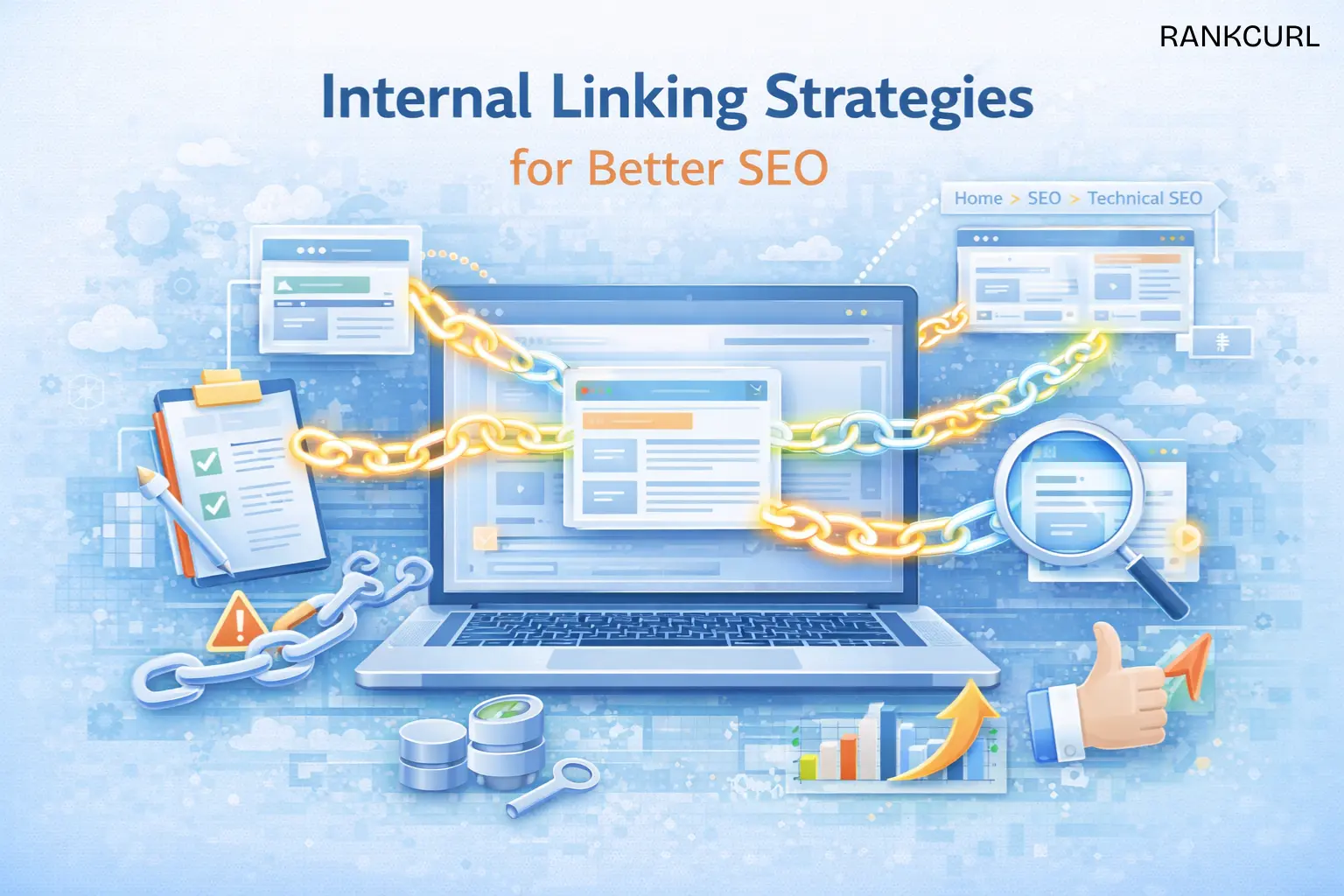
Internal linking is one of the most underrated parts of SEO. Many website owners focus heavily on backlinks. Ignore the power of linking their own pages together properly. This is a mistake.
A strong linking structure helps search engines understand your website and improves how users navigate your content. When done right it can boost rankings increase page authority and keep visitors engaged. This is what we want to achieve.
In this guide you’ll learn internal linking strategies that actually work and can make a noticeable difference in your SEO performance. We will go through each step.
What is Internal Linking?
Internal linking means connecting one page of your website to another page on the domain. For example if you have a blog post and a related service page you can link them together. This is a link.
These links help:
- Search engines discover pages
- Distribute authority across your website
- Guide users to content
Unlike external links you have full control over internal linking, which makes it a powerful SEO tool. You can decide how to link your pages.
Why Internal Linking Matters for SEO
Internal links play a key role in how search engines crawl and rank your website. Here’s why they are important:
- Help search engines understand site structure
- Pass link value between pages
- Improve user experience and navigation
- Increase time spent on your website
Without internal linking even your best content may struggle to perform. This is a fact.
How Internal Linking Helps Google Understand Your Site
Search engines rely on links to discover and analyze content. When you link pages together you create a structure that shows:
- Which pages are most important
- How topics are connected
- Which content supports each other
This makes it easier for search engines to rank your pages accurately. They can understand your website better.
Best Internal Linking Strategies That Work
Let’s look at the effective linking strategies you should use.
1. Use Relevant Anchor Text
Anchor text is the text of a link. It should clearly describe what the linked page is about. Of using generic text like “click here ” use meaningful phrases that match the topic. For example “Learn more about linking”.
2. Link to Important Pages Often
Not all pages are equal. Your important pages should receive more internal links. This signals to search engines that these pagesre valuable and deserve higher visibility.
3. Create a Logical Site Structure
Your website should follow a hierarchy. For example:
- Homepage
- Category pages
- Pages
- Blog or content pages
Internal links should support this structure and make navigation easy.
4. Use Links Within Content
The best internal links are placed naturally within your content. When writing a blog link to articles or pages where it makes sense. This improves user experience. Keeps visitors engaged.
5. Avoid Over-Linking
Adding many links can confuse users and reduce the value of each link. Focus on quality over quantity. Only add links where they provide value.
6. Use Breadcrumb Navigation
Breadcrumbs help users understand where they are on your website. They also create internal links that improve site structure. For example “Home > SEO > Technical SEO”.
7. Link New Content to Old Pages
Whenever you publish content link it to relevant existing pages. This helps:
- Faster indexing
- Better content connection
- Improved visibility
It also keeps your content active.
8. Fix Broken Internal Links
Broken links create an user experience and waste link value. Regularly check your website for links and fix them. This keeps your site clean and optimized.
9. Use Internal Links to Reduce Bounce Rate
When users land on your page internal links can guide them to explore content. This increases:
- Time on site
- Page views
- Engagement
These signals indirectly support rankings.
10. Focus on Deep Linking
Instead of linking only to your homepage link to deeper pages within your site. This helps distribute authority across all pages, not the main ones.
Common Internal Linking Mistakes
Avoid these mistakes to get results:
- Using anchor text
- Linking many times to the same page
- Ignoring pages
- Not updating old content with new links
- Creating orphan pages
Fixing these issues can quickly improve your SEO.
Internal Linking vs External Linking
Both are important. They serve different purposes. Internal linking helps structure your website and distribute authority while external linking builds credibility and trust. A balanced approach works best.
How to Build an Effective Internal Linking Strategy
To create an internal linking system:
- Identify your most important pages
- Link related content together
- Use relevant anchor text
- Maintain a clean site structure
- Regularly update and audit links
Consistency is more important than complexity.
Final Thoughts
Internal linking may seem simple. It has a powerful impact on SEO. It helps search engines understand your website improves user experience and boosts rankings without requiring efforts. If you use linking strategically you can strengthen your entire website and get better results from your existing content.
Start small stay consistent and over time you’ll see improvements, in your SEO performance. Internal linking is a long-term game. Keep working on it.
Leave a Reply